Conflicts within the family are normal. What matters more is how everyone comes together to resolve the issue and avoid letting it strain relationships further.
Of course, that isn’t always the case. Some rifts lead to years of resentment, or, like in this story’s case, a supposedly beautiful occasion forever marred by ugly memories.
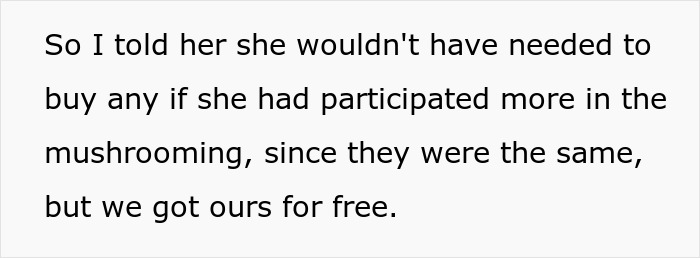
Here, a snobby woman caused some full-blown drama that ruined her cousin’s wedding celebration, all because of her disgust for freshly-picked mushrooms. People took sides, leading to factions among relatives and an overall ugly scene.
RELATED:
- –“Why The Hell Would We Ruin Our Vacation?”: Entitled Mom Gets A Reality Check After Her “Brilliant” Offer
- –Groom Insults Bride’s Daughter’s Hobby, Ends Up Single And Homeless After Bride Finds Out
- –Couple Makes Attending Their Wedding As Hard As Possible, Is Shocked When Groom’s Sister Backs Out
Some family conflicts can get so ugly that people take sides and create factions

Image credits: PhotoVolcano / Envato (not the actual photo)
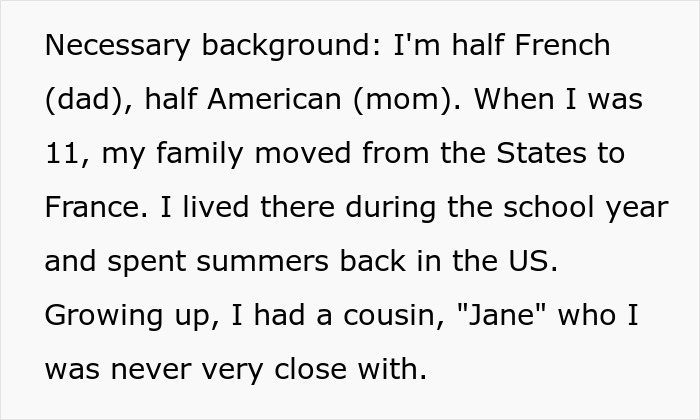
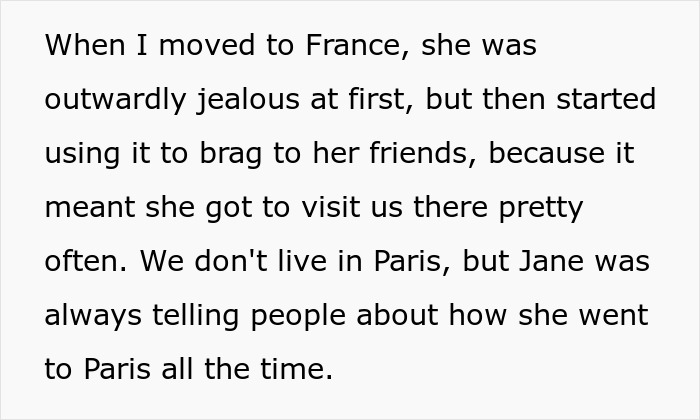
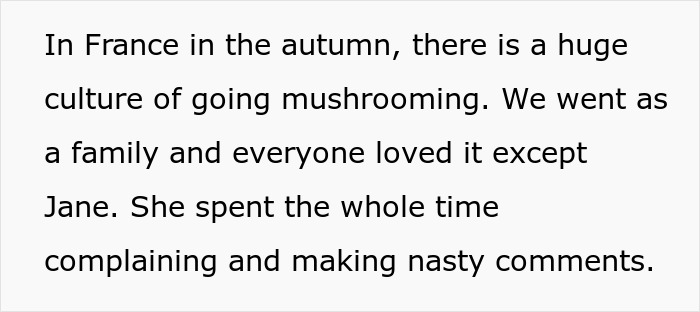
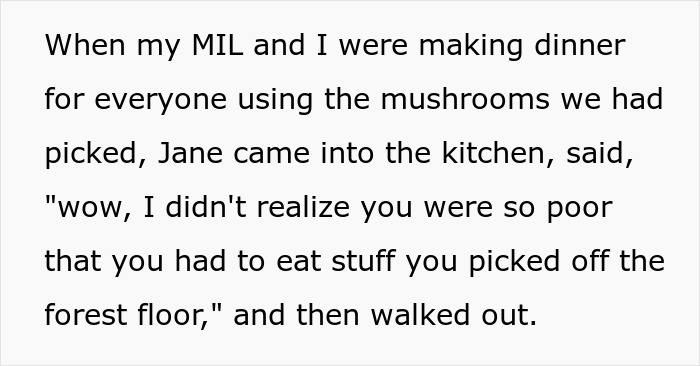
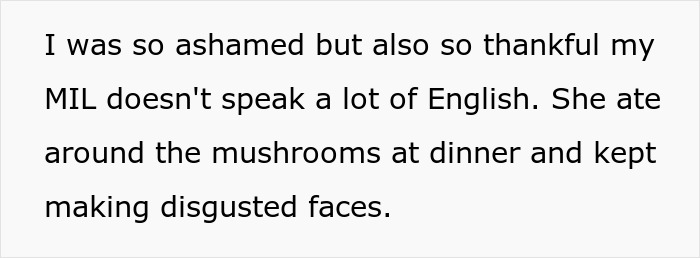
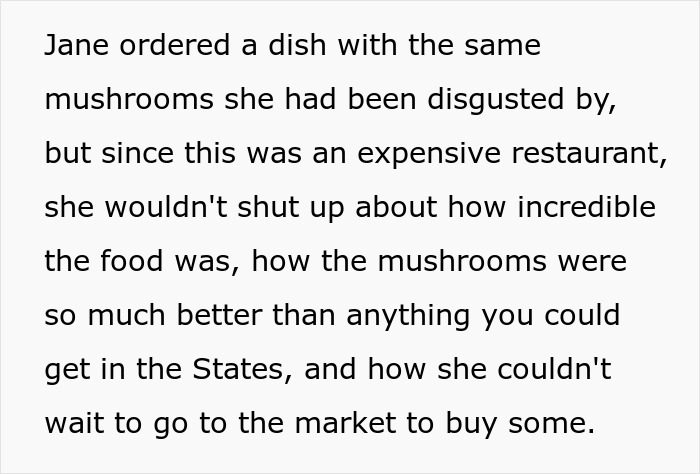
In this story, a woman ruined her cousin’s wedding celebration because of her food preferences


ADVERTISEMENT


ADVERTISEMENT

ADVERTISEMENT

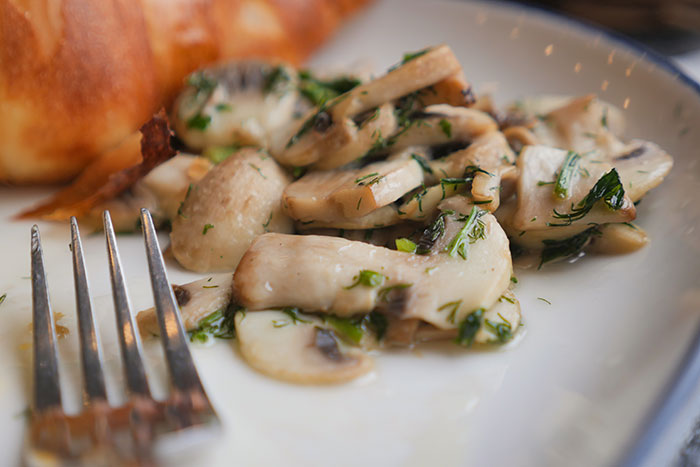
Image credits: towfiqu_barbhuyia / Envato (not the actual photo)
She essentially caused a full-blown drama within the family that had another relative siding with her
Image credits: mushroom_throwADVERTISEMENT
Attention-seeking behavior can be pathological
Many of you who read the story above likely had immediate, unsavory reactions to what Jane did, which is understandable. No one likes an entitled brat who ruins someone else’s special celebration by making it about themselves.
But as it turns out, attention-seeking behavior may either be a personality trait or driven by a specific condition.
As psychologist Dr. Susan Albers tells the Cleveland Clinic, such actions could be a byproduct of narcissistic personality disorder, or histrionic personality disorder.

Image credits: Kateryna Hliznitsova / Unsplash (not the actual photo)
“If being dramatic is part of your personality, you’ll know — at least most of the time — when to draw boundaries. You can turn it on and off or give attention to other people in a balanced way.” Dr. Albers explained, adding that pathological attention-seekers are persistent, regardless of consequences.
It pays to understand the causes of such behaviors so you can address them appropriately. According to Verywell Mind, one way is to tell the person, matter-of-factly, what you are observing and ask what you can do to help them.
But in the story, Jane didn’t seem open to a sensible discussion. She chose to distance herself and widen the rift within the family. The author may be better off having her as far away as possible.
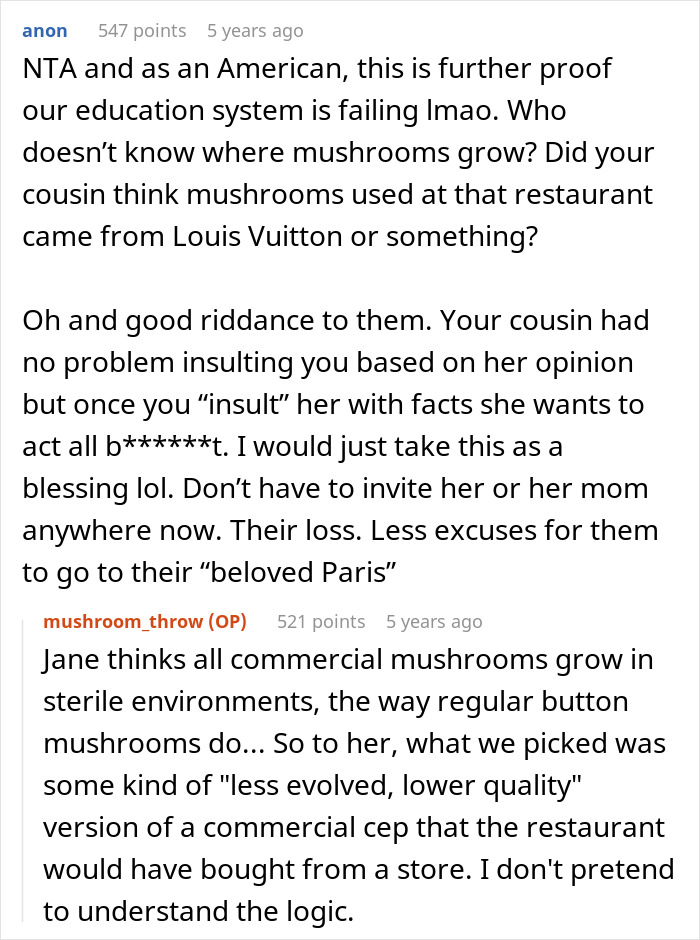
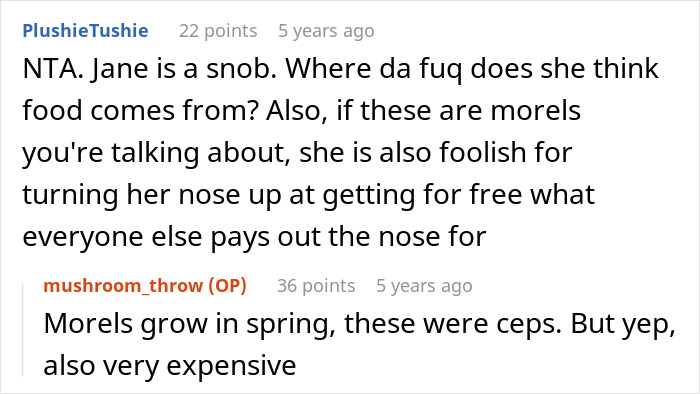
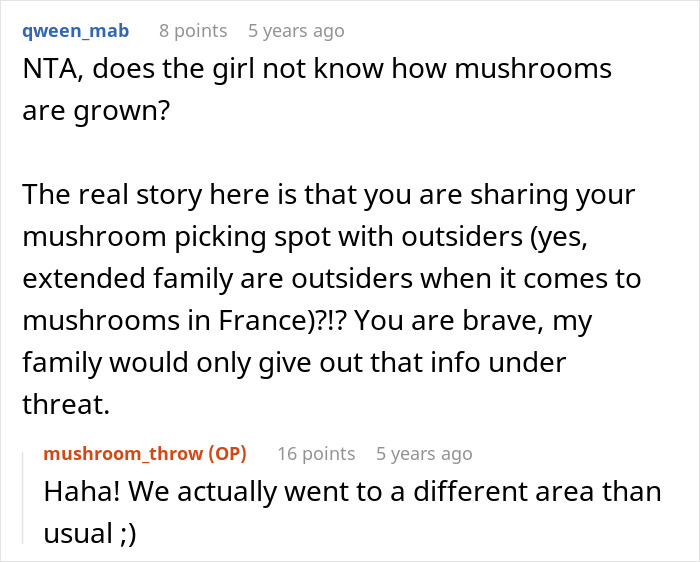
The author answered some reader questions to clarify some details
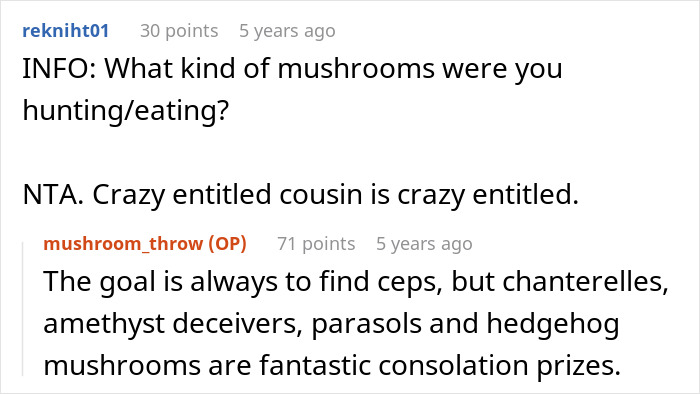
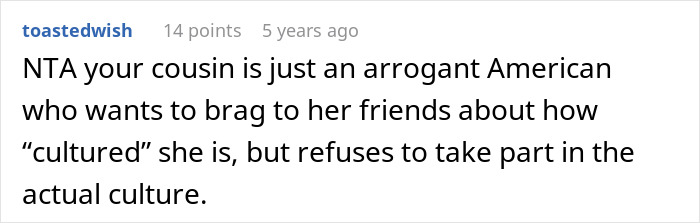
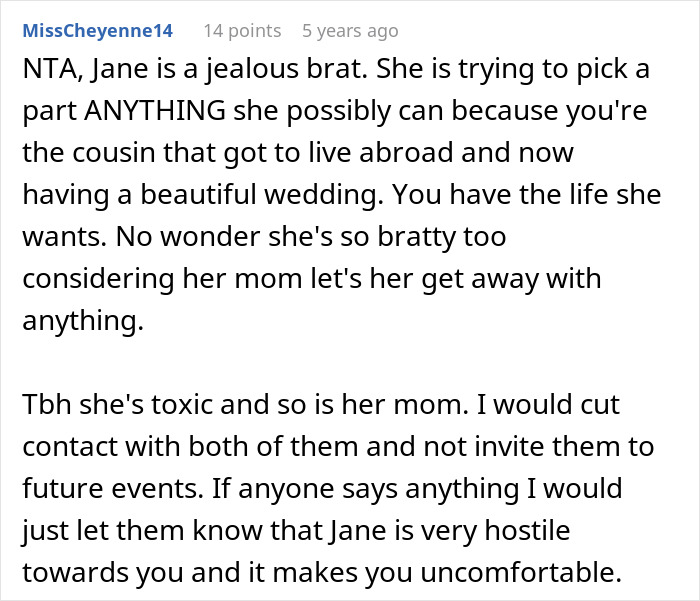
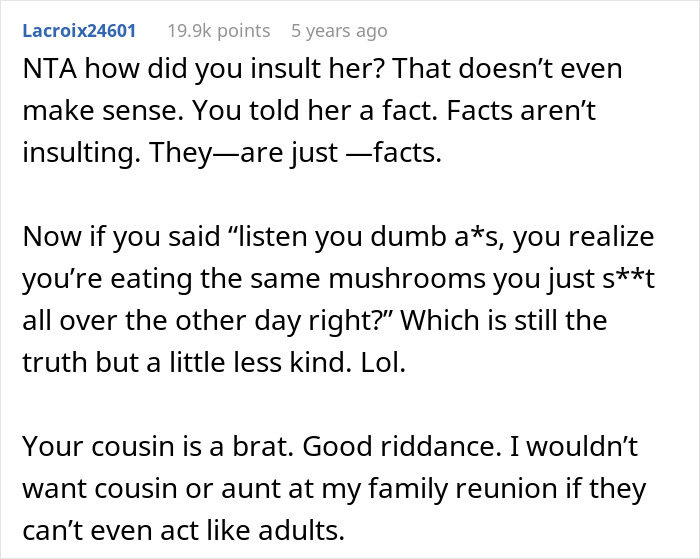
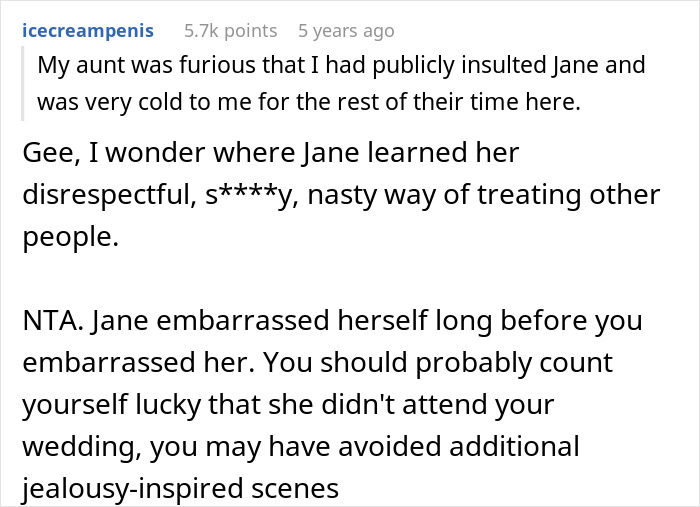
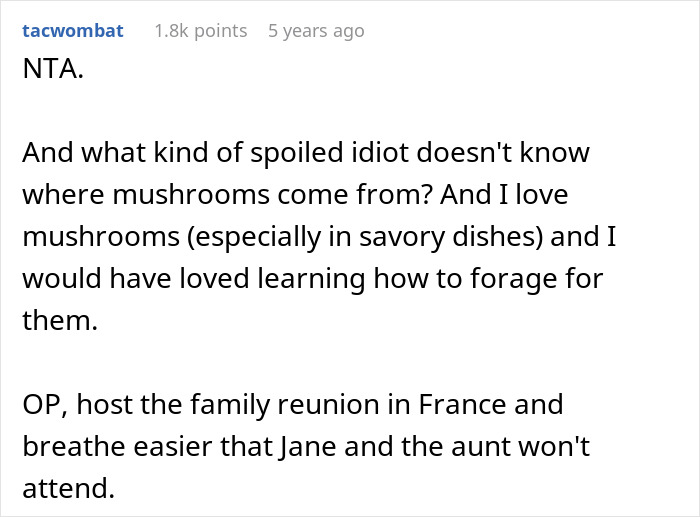
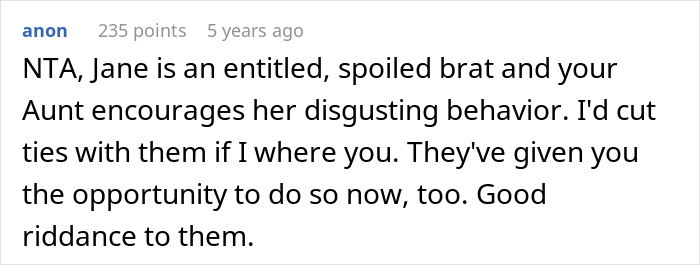
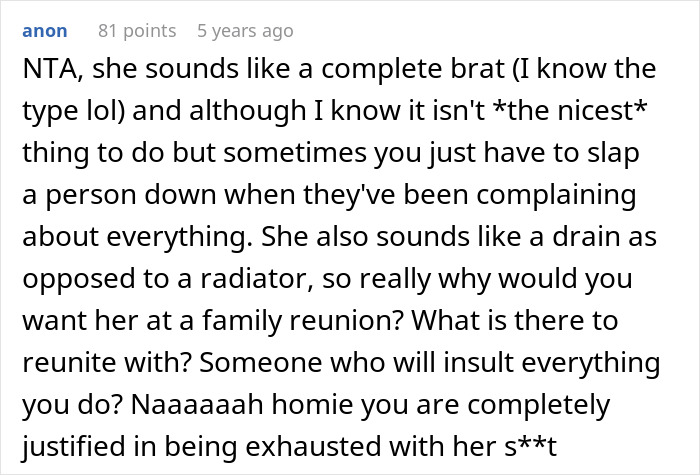
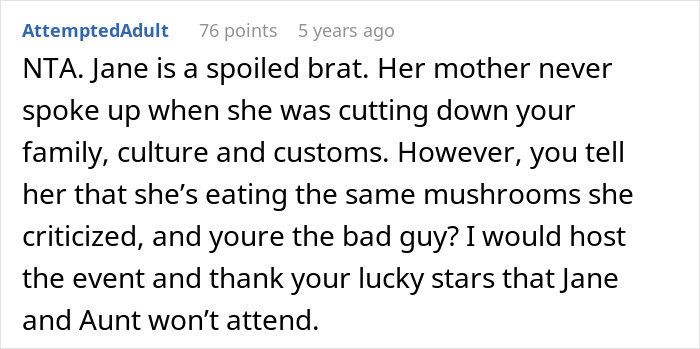
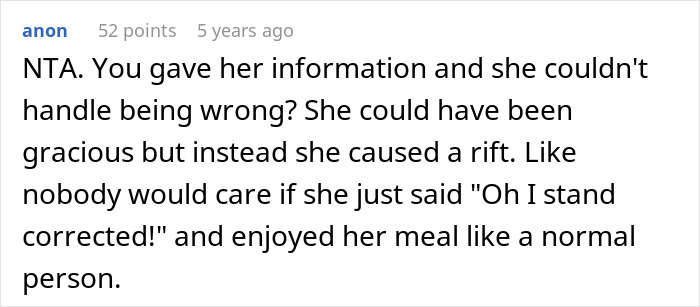
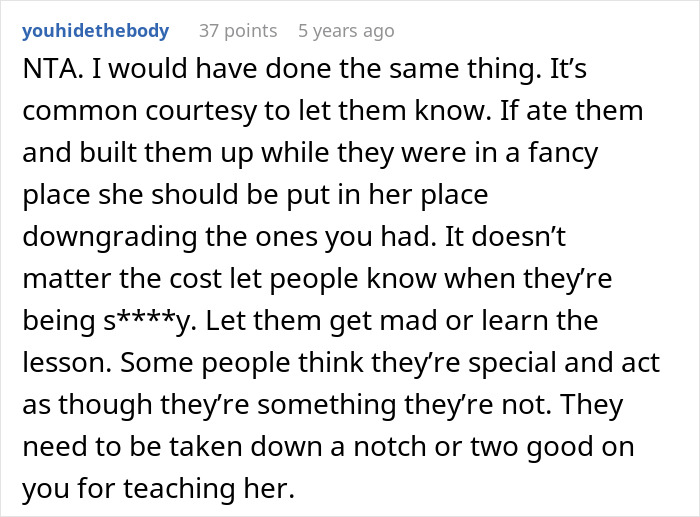
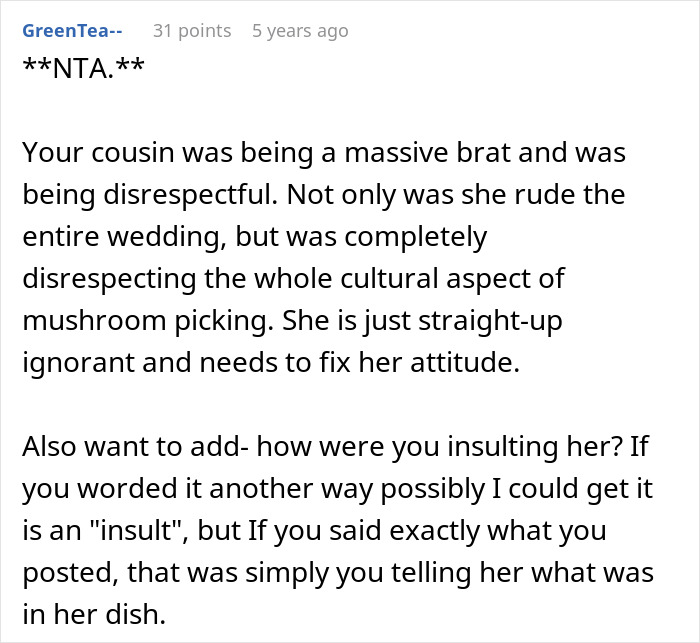
But most people in the comments had some choice words for Jane and the aunt
ADVERTISEMENT

ADVERTISEMENT


ADVERTISEMENT



ADVERTISEMENT

ADVERTISEMENT


ADVERTISEMENT